
Understanding Selective Demolition for Renovations
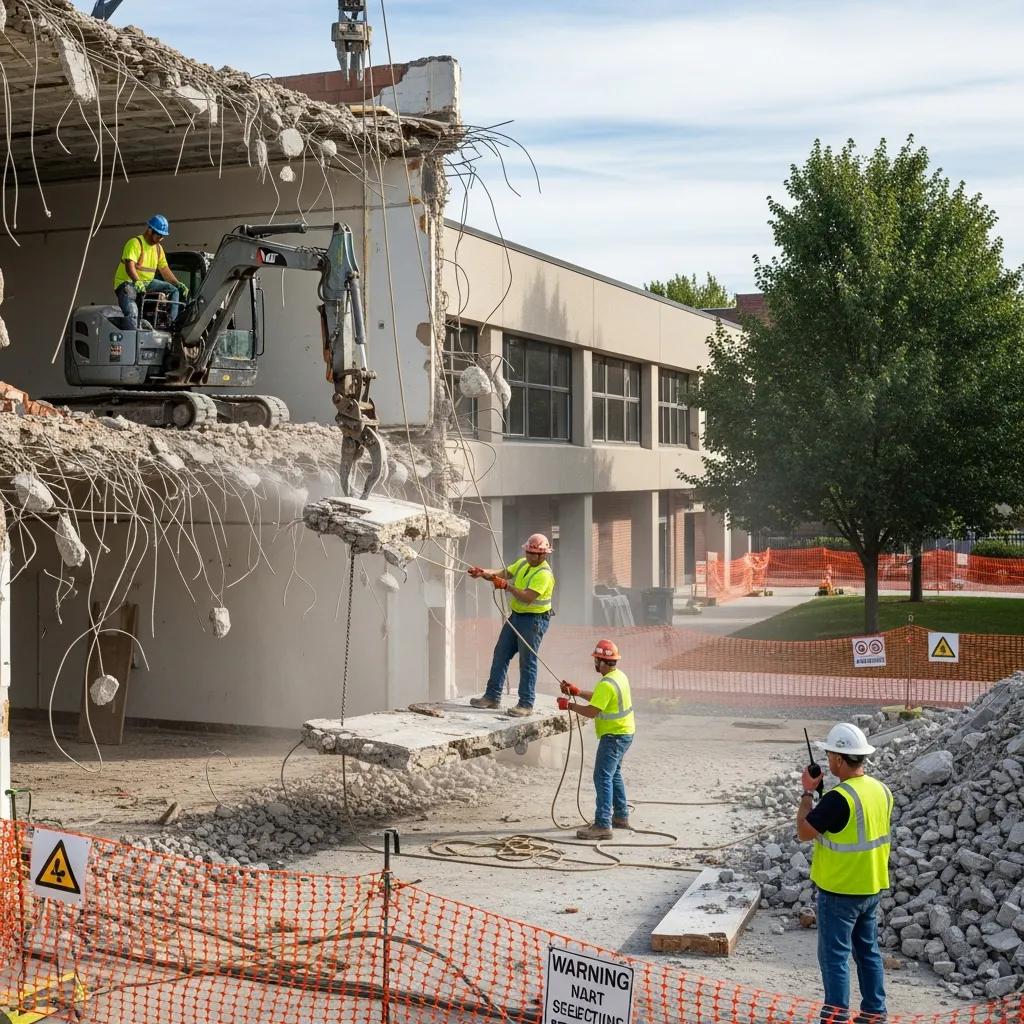
Selective Demolition for Renovations: Your Complete Guide to Precision Interior and Partial Demolition Services
Selective demolition is a specialized approach to renovation that focuses on the careful removal of specific structures while preserving the surrounding areas. This method is increasingly favored in both residential and commercial projects due to its precision and efficiency. In this comprehensive guide, we will explore the nuances of selective demolition, its benefits, and how it can enhance renovation projects.
Many property owners face challenges when it comes to renovations, often worrying about the potential damage to existing structures. Selective demolition offers a solution by allowing for targeted removals that minimize disruption and maximize safety. This article will cover the definition of selective demolition, its advantages, applications in residential and commercial settings, safety protocols, and cost factors.
What Is Selective Demolition and How Does It Differ from Full Demolition?
Selective demolition refers to the process of removing specific parts of a structure while leaving the rest intact. This method contrasts sharply with full demolition, where entire buildings or structures are taken down. Selective demolition is particularly useful in renovation projects where certain elements need to be preserved or reused.
Definition and Key Characteristics of Selective Demolition
Selective demolition is characterized by its precision and focus on specific areas of a building. This method allows for the careful removal of walls, fixtures, and other components without affecting the overall integrity of the structure. Common tools used in selective demolition include saws, chisels, and specialized equipment designed for delicate work. The primary goal is to minimize waste and preserve valuable materials for reuse or recycling.
Comparing Selective Demolition with Full and Partial Demolition
When comparing selective demolition to full and partial demolition, several key differences emerge. Full demolition involves the complete teardown of a structure, often resulting in significant waste and disruption. Partial demolition, while less invasive than full demolition, may still involve removing large sections of a building. Selective demolition, on the other hand, is tailored to specific needs, allowing for targeted removals that save time and resources.
| Demolition Type | Approach | Cost Implications | Preferred Situations |
|---|---|---|---|
| Selective Demolition | Targeted removal | Generally lower due to material preservation | Renovations, remodels |
| Full Demolition | Complete teardown | Higher due to waste disposal and labor | New construction or complete rebuilds |
| Partial Demolition | Removal of large sections | Moderate, depending on scope | Major renovations |
What Are the Benefits of Choosing Selective Demolition for Renovation Projects?
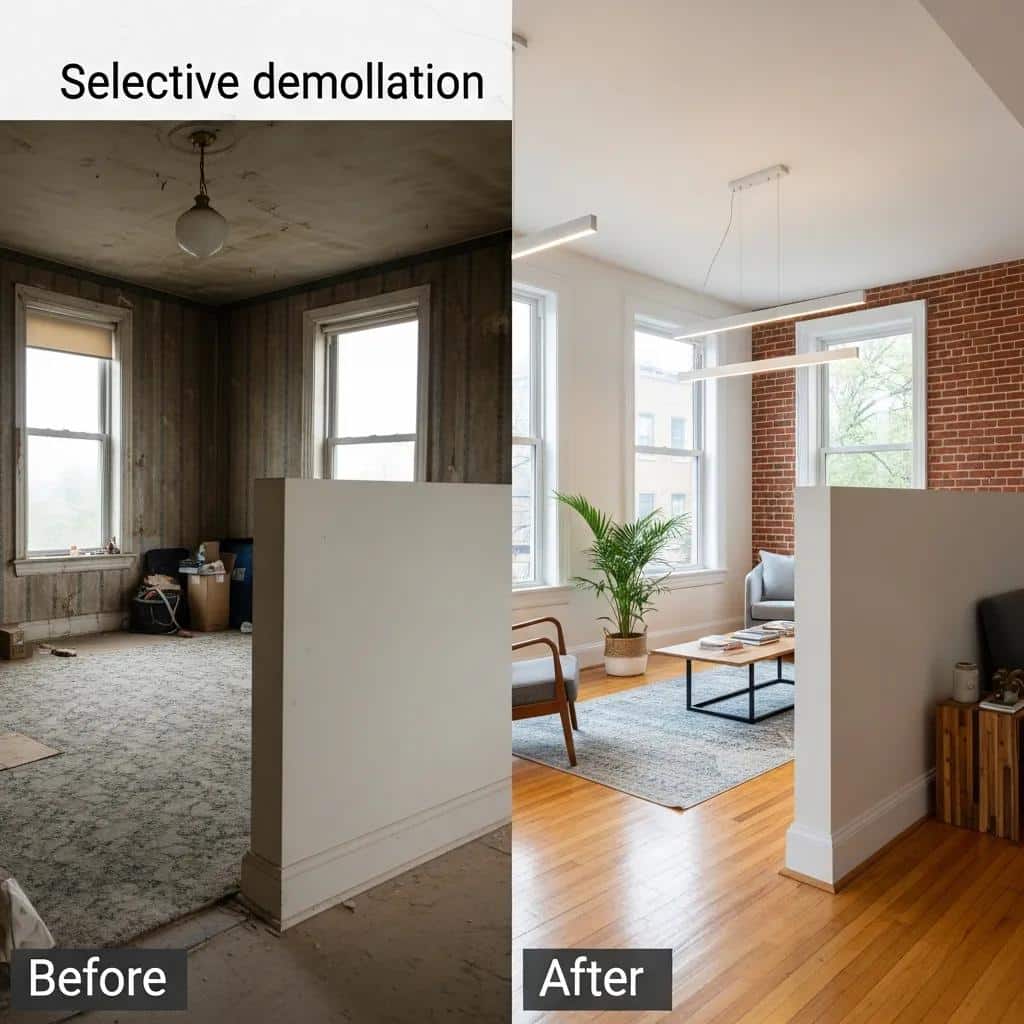
Choosing selective demolition for renovation projects offers numerous advantages that can significantly impact the overall success of the project.
Cost Savings and Efficiency Advantages
One of the primary benefits of selective demolition is the potential for cost savings. By preserving existing structures and materials, property owners can reduce disposal costs and minimize the need for new materials. Additionally, selective demolition often leads to faster project completion times, as the process is more efficient than traditional demolition methods.
Environmental Sustainability and Waste Reduction
Selective demolition is also an environmentally friendly option. By focusing on the careful removal of specific components, this method reduces landfill waste and promotes recycling. Many materials, such as wood, metal, and concrete, can be salvaged and reused in new construction or renovation projects. This approach aligns with sustainable building practices and helps reduce the overall environmental impact of construction activities.
F5 Demolition, based in Oklahoma City, specializes in selective demolition services, ensuring that your renovation projects are executed with precision and care. Their expertise in this area allows for efficient and environmentally responsible demolition practices.
How Does Selective Demolition Support Residential Renovations?
Selective demolition plays a crucial role in residential renovations, allowing homeowners to achieve their desired outcomes without compromising the integrity of their homes.
Interior Demolition for Kitchen and Bathroom Remodels
In kitchen and bathroom remodels, selective demolition is often employed to remove outdated fixtures, cabinets, and walls. This targeted approach allows homeowners to modernize their spaces while preserving the overall structure of their homes. Common tasks include the removal of old cabinetry, countertops, and plumbing fixtures, which can be done with minimal disruption to the surrounding areas.
Wall Removal and Structural Modifications in Homes
Selective demolition also facilitates structural modifications, such as wall removals that open up spaces for a more modern layout. Homeowners can create open-concept living areas by removing non-load-bearing walls, enhancing both functionality and aesthetics. Safety considerations are paramount during these projects, ensuring that any structural changes do not compromise the home’s integrity.
What Commercial Renovation Projects Benefit from Selective Demolition?
Commercial properties also benefit significantly from selective demolition, particularly in the context of office and retail space renovations.
Office and Retail Space Interior Demolition
In office and retail environments, selective demolition allows for the efficient reconfiguration of spaces to meet changing business needs. This may involve removing partitions, updating fixtures, or reworking layouts to enhance customer experience and employee productivity. The ability to adapt spaces quickly is essential in today’s fast-paced business environment.
Tenant Improvements and Structural Adjustments
Selective demolition is often utilized for tenant improvements, where specific modifications are made to suit the needs of new occupants. This can include the removal of outdated features or the installation of new systems, such as HVAC or electrical upgrades. By focusing on targeted changes, businesses can minimize downtime and maintain operational efficiency during renovations.
How Is a Selective Demolition Project Planned and Executed Safely?
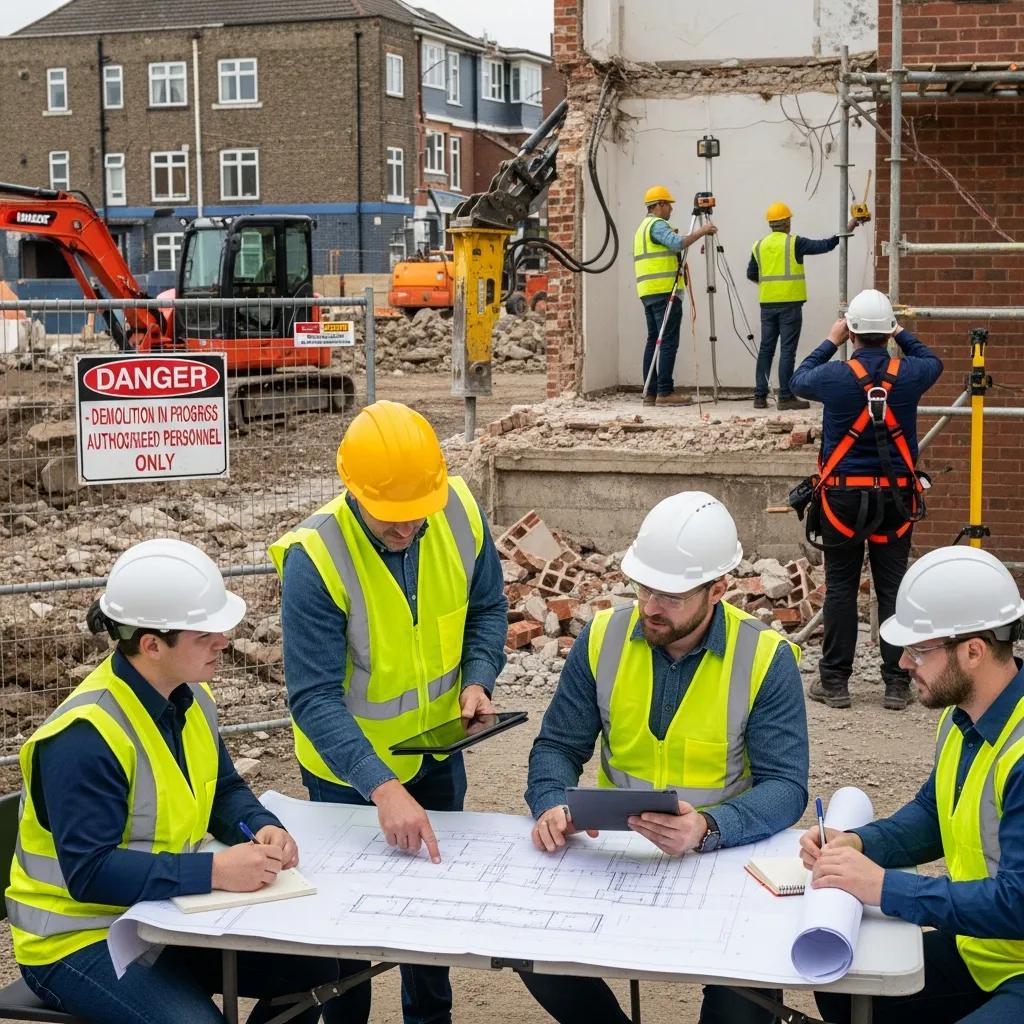
Planning and executing a selective demolition project requires careful consideration of safety protocols and regulations.
Site Assessment, Permits, and Safety Protocols
Before any demolition work begins, a thorough site assessment is conducted to identify potential hazards and determine the necessary permits. Safety protocols must be established to protect workers and the surrounding environment. This includes ensuring that all team members are trained in safe demolition practices and that appropriate personal protective equipment (PPE) is used.
Debris Management and Hazardous Material Handling
Effective debris management is crucial in selective demolition projects. Proper disposal methods must be employed to handle hazardous materials, such as asbestos or lead, which may be present in older buildings. Following regulations for hazardous waste disposal not only ensures compliance but also protects the health and safety of workers and the community.
What Factors Influence the Cost of Selective Demolition and How to Get a Quote?
Several factors can influence the cost of selective demolition, making it essential for property owners to understand these elements when planning their projects.
Key Cost Drivers: Size, Complexity, and Materials
The size and complexity of the demolition project are significant cost drivers. Larger projects that require extensive planning and labor will naturally incur higher costs. Additionally, the types of materials being removed can affect pricing, as some materials may require specialized handling or disposal methods.
Requesting Free Estimates from Selective Demolition Contractors
To obtain accurate quotes, property owners should request free estimates from selective demolition contractors. Providing detailed information about the project scope, including the types of materials to be removed and the desired timeline, will help contractors deliver precise estimates. This process allows homeowners to compare options and select the best contractor for their needs.
| Cost Factor | Description | Impact on Pricing |
|---|---|---|
| Project Size | Larger projects require more labor and resources | High |
| Material Type | Hazardous materials may require special handling | Moderate to High |
| Complexity | Complex projects need more planning and safety measures | High |