
Eco-Friendly Approaches to Demolition
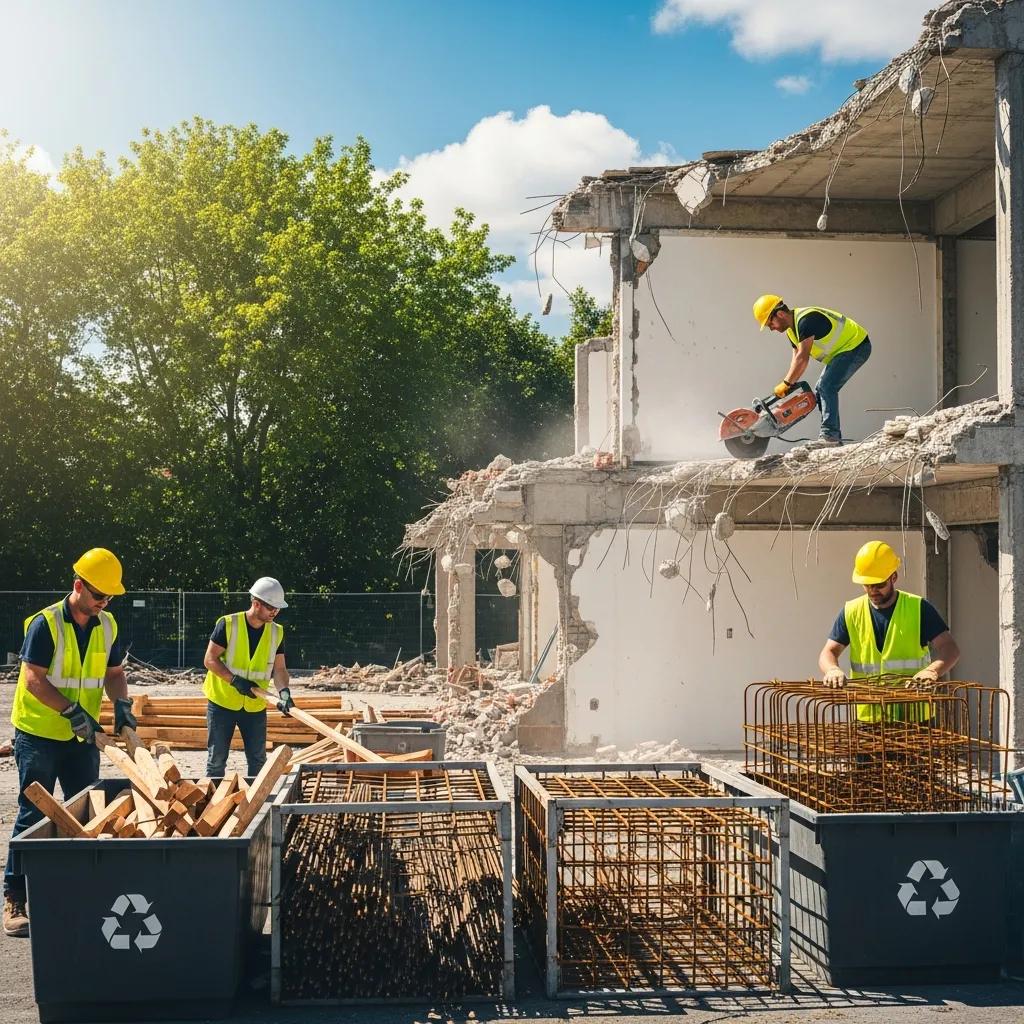
Eco-Friendly Approaches to Demolition: Sustainable Waste Recycling and Safe Hazardous Material Removal
The demolition industry is evolving, with a growing emphasis on eco-friendly practices that prioritize sustainability and environmental responsibility. This article delves into the various eco-friendly approaches to demolition, focusing on sustainable waste recycling and safe hazardous material removal. Readers will learn about the benefits of these practices, the techniques involved, and how they contribute to reducing the environmental impact of demolition projects.
As urban development continues to rise, the need for responsible demolition methods becomes increasingly critical. This guide will explore sustainable waste recycling methods, safe hazardous material removal practices, and the overall importance of adopting eco-friendly demolition techniques.
Sustainable Waste Recycling Methods
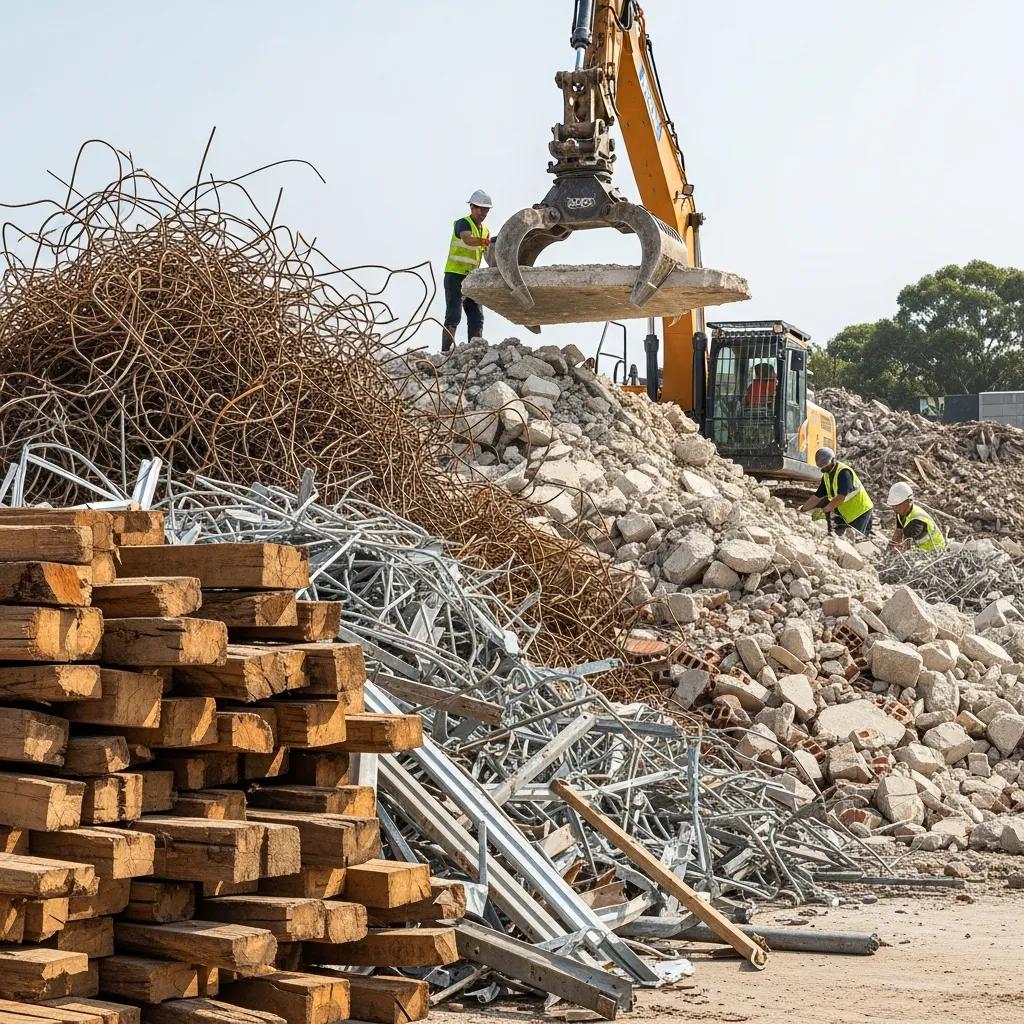
Sustainable waste recycling in demolition involves various techniques aimed at minimizing waste and maximizing resource recovery. These methods not only reduce landfill contributions but also promote the reuse of materials, which is essential for environmental conservation. Key sustainable waste recycling methods include:
The importance of comprehensive waste management strategies for maximizing resource recovery and minimizing landfill disposal is further underscored by research.
Sustainable C&D Waste Management: Maximizing 3R & Minimizing Disposal
The construction and demolition (C&D) waste generated by the Canadian construction industry accounts for 27 % of the total municipal solid waste disposed in landfills. However, it is evident that over 75 % of what the construction industry generates as waste has a residual value, and therefore could be recycled, salvaged and/or reused. The need for comprehensive and integrated waste management mechanisms, technologies, rating systems and policies is widely recognized. Owing to increasing C&D waste volumes, shortage of landfills and long-term adverse environmental, economic and social impacts of the disposed C&D waste, sustainable C&D waste management is becoming increasingly essential to protect public health and natural ecosystems. This paper proposes a conceptual C&D waste management framework to maximise the 3R (reduce, reuse and recycle) and minimise the disposal of construction waste by implementing sustainable and comprehensive strategy throughout the lifecycle of construction projects.
An overview of construction and demolition waste management in Canada: a lifecycle analysis approach to sustainability, K Hewage, 2013
- Selective Demolition: This technique focuses on dismantling structures in a way that allows for the recovery of valuable materials, such as wood, metal, and concrete. By carefully removing components, contractors can recycle these materials instead of sending them to landfills.
- On-Site Sorting: Implementing on-site sorting during demolition enables immediate separation of recyclable materials from waste. This practice enhances efficiency and ensures that materials are processed correctly, reducing contamination and increasing recycling rates.
- Deconstruction-First Strategy: This approach prioritizes deconstruction over traditional demolition, allowing for the careful disassembly of buildings. It emphasizes the recovery of reusable materials, which can be repurposed in new construction projects, thus minimizing waste.
Implementing thorough pre-demolition audits is a crucial step in maximizing the recovery of valuable materials for recycling and reuse, as highlighted by industry guidelines.
Maximizing CDW Recycling & Reuse with Pre-Demolition Audits
ABSTRACT: Construction and Demolition Waste (CDW) is by volume the largest waste stream in the European Union. Although a vast majority of CDW is recyclable and reusable, one of the common barriers to recycling and reuse of CDW is the lack of confidence in the quality of recovered materials and components. This document extends the Waste Audit Guideline published by the European Commission in 2017. The Guideline provides information about the best practices for the assessment of CDW streams prior to demolition or renovation of buildings or infrastructure, called “waste audit”. The aim of the Guideline is to facilitate and maximize recovery of materials and components for beneficial reuse and recycling without compromising the safety measures and practices outlined in the EU Construction & Demolition Waste Management Protocol.
Pre-demolition audit-overall guidance document: PARADE. Best practices for Pre-demolition Audits ensuring high quality RAw materials, 2019
F5 Demolition specializes in these sustainable demolition services, focusing on recycling demolition waste and minimizing environmental impact. Their expertise in eco-friendly approaches ensures that projects are executed with safety and environmental commitment in mind.
Safe Hazardous Material Removal Practices
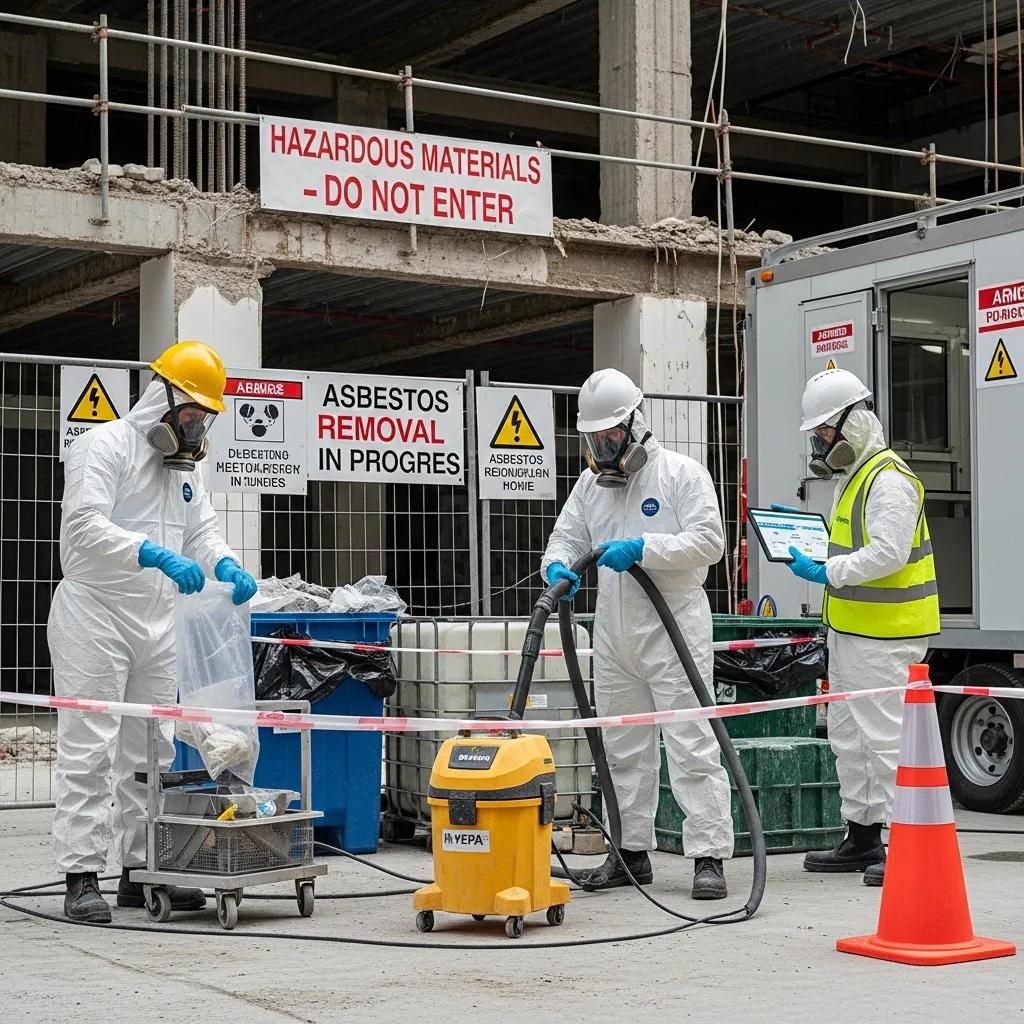
The safe removal of hazardous materials is a critical aspect of eco-friendly demolition. Proper handling and disposal of these materials protect both workers and the environment. Effective practices for hazardous material removal include:
- Pre-Demolition Assessments: Conducting thorough assessments before demolition helps identify hazardous materials, such as asbestos or lead. This proactive approach ensures that appropriate safety measures are in place.
- Specialized Handling and Disposal: Trained professionals should handle hazardous materials using specialized equipment and techniques. This ensures compliance with safety regulations and minimizes risks during the removal process.
- Regulatory Compliance: Adhering to local, state, and federal regulations regarding hazardous material removal is essential. Compliance not only protects the environment but also ensures the safety of workers and the surrounding community.
F5 Demolition emphasizes their commitment to safety in hazardous material removal, ensuring that all practices align with regulatory standards and best practices in the industry.
Conclusion
Adopting eco-friendly approaches to demolition is crucial for reducing environmental impact and promoting sustainability. By implementing sustainable waste recycling methods and safe hazardous material removal practices, the demolition industry can significantly contribute to environmental conservation. F5 Demolition’s focus on these eco-friendly techniques highlights their commitment to safety, expertise, and environmental responsibility.
What Are Sustainable Demolition Techniques and Their Environmental Benefits?
Sustainable demolition techniques refer to methods that prioritize environmental conservation during the demolition process. These techniques aim to minimize waste, reduce energy consumption, and promote the recycling of materials. The environmental benefits of sustainable demolition include:
- Waste Reduction: By recycling materials and reusing components, sustainable demolition significantly decreases the amount of waste sent to landfills.
- Energy Efficiency: Sustainable practices often involve using energy-efficient machinery and methods, reducing the overall carbon footprint of demolition projects.
- Preservation of Historical Features: Techniques such as deconstruction allow for the careful removal of historical elements, which can be preserved and reused in future projects.
How Does Green Demolition Reduce Environmental Impact?
Green demolition reduces environmental impact through several key practices:
- Deconstruction-First Strategy: This method prioritizes the recovery of materials over traditional demolition, leading to less waste and more resources being reused.
- Low-Impact Machinery: Utilizing machinery designed for minimal environmental disruption helps reduce noise and air pollution during demolition.
- Dust and Noise Control: Implementing measures to control dust and noise during demolition protects surrounding communities and ecosystems.
Which Eco Demolition Techniques Minimize Construction Waste?
Several eco demolition techniques effectively minimize construction waste:
- Selective Demolition: This technique allows for the recovery of valuable materials, reducing the overall waste generated.
- On-Site Sorting: Sorting materials on-site ensures that recyclables are separated from waste, increasing recycling rates.
- Robotic Demolition: Advanced robotic systems can dismantle structures with precision, minimizing waste and maximizing material recovery.
How Is Demolition Waste Recycled to Support Construction Waste Management?
Demolition waste is recycled through various processes that support construction waste management:
- On-Site Recycling Methods: Recycling materials on-site reduces transportation costs and emissions associated with waste disposal.
- Selective Demolition Benefits: By focusing on the recovery of specific materials, selective demolition enhances recycling efforts and reduces landfill contributions.
- Material Recovery Facilities: These facilities process demolition waste, separating and recycling materials for reuse in new construction projects.
What Materials Can Be Recycled from Demolition Projects?
Numerous materials can be recycled from demolition projects, including:
- Concrete: Often crushed and reused as aggregate in new construction.
- Steel: Recycled into new steel products, reducing the need for virgin materials.
- Wood: Can be repurposed for new construction or processed into engineered wood products.
What Are the Processes for Recycling Demolition Waste Effectively?
Effective recycling of demolition waste involves several key processes:
- Site Assessment: Evaluating the site to identify recyclable materials and hazardous substances.
- Sorting and Segregation: Separating materials into recyclable and non-recyclable categories.
- Processing Methods: Utilizing machinery to crush, shred, or otherwise process materials for recycling.
What Safety Protocols Are Used for Hazardous Material Removal in Eco-Friendly Demolition?
Safety protocols for hazardous material removal include:
- Pre-Demolition Assessments: Identifying hazardous materials before demolition begins.
- Personal Protective Equipment: Ensuring workers wear appropriate gear to protect against exposure.
- Continuous Monitoring: Regularly checking for hazardous materials during the removal process to ensure safety.
How Is Hazardous Material Safely Identified and Removed?
The identification and removal of hazardous materials involve:
- Hazardous Material Identification: Using testing and assessments to identify hazardous substances present in structures.
- Segregation and Containment: Isolating hazardous materials to prevent exposure during removal.
- Compliance with Regulations: Following local and federal guidelines for the safe disposal of hazardous materials.
What Regulations Govern Environmentally Safe Demolition Practices?
Environmentally safe demolition practices are governed by various regulations, including:
- Local Regulations: Specific guidelines set by local authorities regarding waste management and hazardous materials.
- State Regulations: Broader regulations that apply to demolition practices within a state.
- Federal Regulations: National standards that govern hazardous material handling and environmental protection.
Why Choose Deconstruction Services for Environmentally Safe Demolition?
Choosing deconstruction services offers several benefits:
- Cost-Effectiveness: Deconstruction can be more economical than traditional demolition due to material recovery.
- Waste Reduction: This approach significantly reduces waste sent to landfills.
- Compliance with Regulations: Deconstruction services often adhere to strict environmental regulations, ensuring safe practices.
How Do Deconstruction Services Maximize Material Reuse and Waste Diversion?
Deconstruction services maximize material reuse and waste diversion through:
- Deconstruction-First Strategy: Prioritizing the recovery of materials over demolition.
- On-Site Sorting: Efficiently separating materials for recycling and reuse.
- Recovery Methods: Implementing techniques that enhance the recovery of valuable materials from structures.
What Are the Cost Benefits of Green Demolition for Property Owners and Contractors?
Green demolition offers several cost benefits, including:
- Disposal Fee Reduction: Lower costs associated with waste disposal due to reduced landfill contributions.
- Material Credits: Potential financial incentives for recycling and reusing materials.
- Incentives for Green Practices: Many municipalities offer incentives for environmentally friendly demolition practices, further reducing costs.