
Comprehensive Guide to Full Structure Demolition Explained
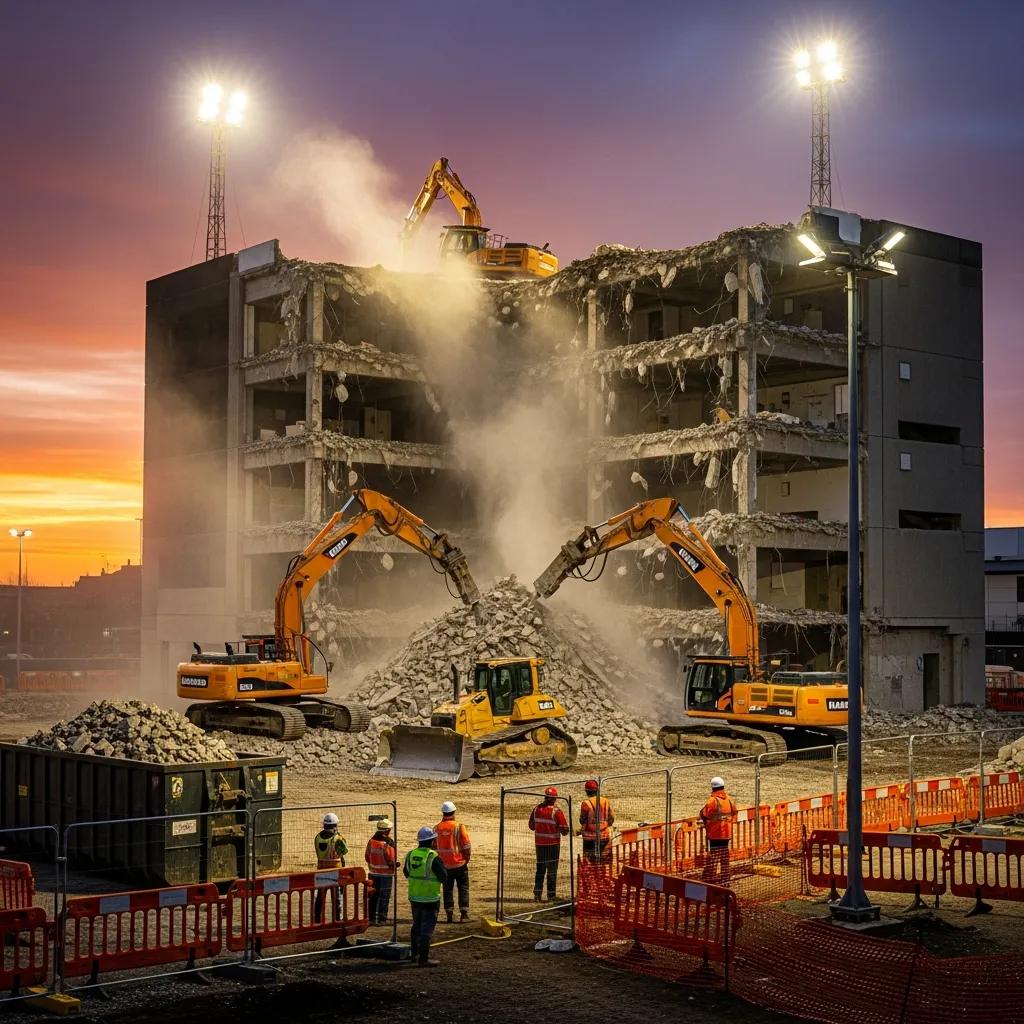
The Complete Guide to Full Structure Demolition: Understanding the Structural Demolition Process and Project Steps
Full structure demolition is a complex process that involves the careful dismantling of buildings and structures, ensuring safety and compliance with regulations. This comprehensive guide will provide you with an in-depth understanding of the structural demolition process, including essential steps, planning requirements, common methods, and safety considerations. Many property owners and developers face challenges when it comes to navigating the intricacies of demolition projects, from obtaining the necessary permits to managing hazardous materials. This guide aims to equip you with the knowledge needed to approach full structure demolition confidently. We will explore the essential steps in the demolition process, the planning and permit requirements, various demolition methods, hazardous material management, cost factors, and safety practices.
What Are the Essential Steps in the Full Structure Demolition Process?
The full structure demolition process consists of several critical steps that ensure the project is executed safely and efficiently. Understanding these steps is vital for anyone involved in demolition projects, whether as a property owner, contractor, or project manager.
How Is Pre-Demolition Planning and Site Assessment Conducted?
Pre-demolition planning is crucial for identifying potential hazards and ensuring compliance with local regulations. This phase typically involves conducting a thorough site assessment, which includes:
- Site Surveys: Assessing the structural integrity of the building and identifying any hazardous materials present.
- Utility Disconnections: Coordinating with utility companies to safely disconnect water, gas, electricity, and other services before demolition begins.
- Environmental Considerations: Evaluating the environmental impact of the demolition and planning for waste management and recycling.
These planning steps help mitigate risks and ensure a smooth demolition process.
Indeed, comprehensive site preparation is a foundational element of the pre-demolition stage, as highlighted by research on decision tools for demolition techniques.
Pre-Demolition Site Preparation & Planning
Pre-demolition Stage Site preparation is the first process in the pre demolition stage. The activities involved in this process include the setting-up of site boundaries, the provision of access roads, and the setting-up of welfare facilities (eg, site office, washing facilities and toilet).
Eliminating hazardous materials from demolition waste, 2005
What Are the Key Phases of Demolition Execution and Debris Management?
The execution phase of demolition involves several key activities that must be carefully managed to ensure safety and efficiency. These include:
- Demolition Methods: Choosing the appropriate demolition method, such as mechanical demolition, implosion, or selective demolition, based on the building type and location.
- Debris Management: Implementing strategies for debris removal and recycling, which can significantly reduce landfill waste and promote sustainability.
- Safety Protocols: Adhering to safety regulations and protocols to protect workers and the surrounding community during the demolition process.
Effective management of these phases is essential for a successful demolition project.
How Do You Navigate Building Demolition Planning and Permit Requirements?
Navigating the planning and permit requirements for building demolition can be complex, especially in Oklahoma, where specific regulations must be followed.
Which Permits and Approvals Are Needed for Demolition Projects in Oklahoma?
In Oklahoma, several permits and approvals are typically required for demolition projects, including:
- Demolition Permit: A specific permit issued by the local government or municipality that authorizes the demolition of a structure.
- Environmental Permits: Depending on the materials involved, additional permits may be required for handling hazardous substances, such as asbestos or lead.
- Utility Disconnection Approvals: Documentation confirming that all utilities have been safely disconnected.
Understanding these requirements is crucial for ensuring compliance and avoiding delays.
How Are Utility Disconnections and Safety Regulations Managed?
Managing utility disconnections and safety regulations is a critical aspect of the demolition process. This involves:
- Coordinating with Utility Companies: Ensuring that all necessary disconnections are completed before demolition begins to prevent accidents.
- Implementing Safety Measures: Following OSHA guidelines and local safety regulations to protect workers and the public during the demolition.
- Conducting Safety Training: Providing training for all personnel involved in the demolition to ensure they are aware of safety protocols and emergency procedures.
These measures help ensure a safe demolition environment.
What Are the Common Demolition Methods and Techniques for Full Structure Removal?
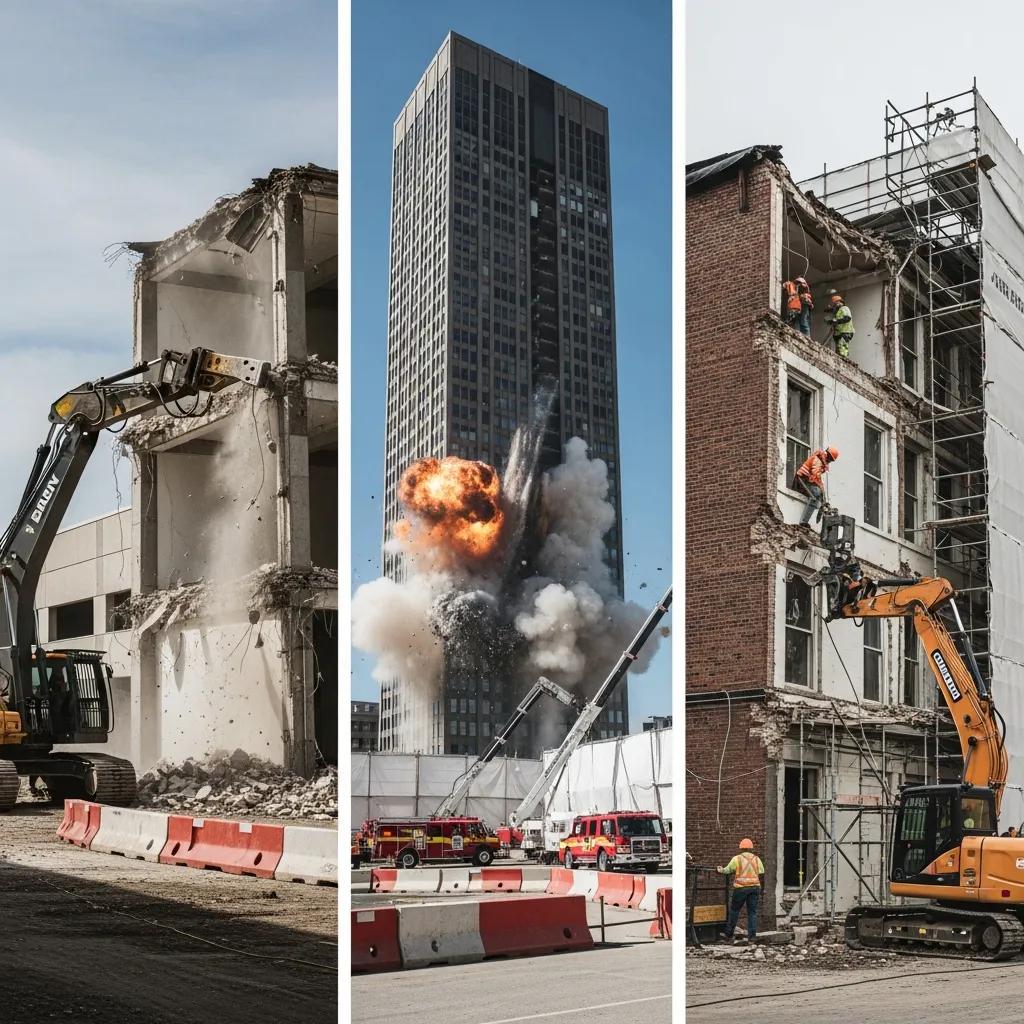
Understanding the various demolition methods and techniques is essential for selecting the most appropriate approach for a given project.
How Do Mechanical Demolition, Implosion, and Selective Demolition Differ?
There are several common demolition methods, each with its advantages and applications:
- Mechanical Demolition: Involves the use of heavy machinery, such as excavators and bulldozers, to dismantle structures. This method is efficient for large buildings and is often the most cost-effective.
- Implosion: A controlled demolition technique that uses explosives to collapse a building inward. This method is typically used for tall structures in densely populated areas and requires extensive planning and permits.
- Selective Demolition: Focuses on removing specific parts of a structure while preserving others. This method is often used in renovation projects where certain elements need to be retained.
Choosing the right method depends on various factors, including the building’s location, size, and intended future use.
Further illustrating the diverse approaches to structural removal, studies have explored the comparative effectiveness of different demolition techniques.
Comparative Study of Demolition Methods
Demolition of any structure is a ground to earth technique which can be done either by using heavy machinery and explosives or with manual techniques without affecting the adjacent structures. Building implosion can be applied for the controlled demolition of structures.
Comparative study of demolition methods, 2017
What Heavy Machinery and Safety Protocols Are Used During Demolition?
The use of heavy machinery is integral to the demolition process, and specific safety protocols must be followed to ensure safe operations. Common machinery includes:
- Excavators: Used for tearing down structures and removing debris.
- Bulldozers: Employed for clearing the site and moving large amounts of material.
- Cranes: Utilized for lifting heavy materials and equipment during the demolition.
Safety protocols include regular equipment inspections, operator training, and adherence to safety guidelines to minimize risks.
How Is Hazardous Material Identification and Removal Handled in Demolition Projects?
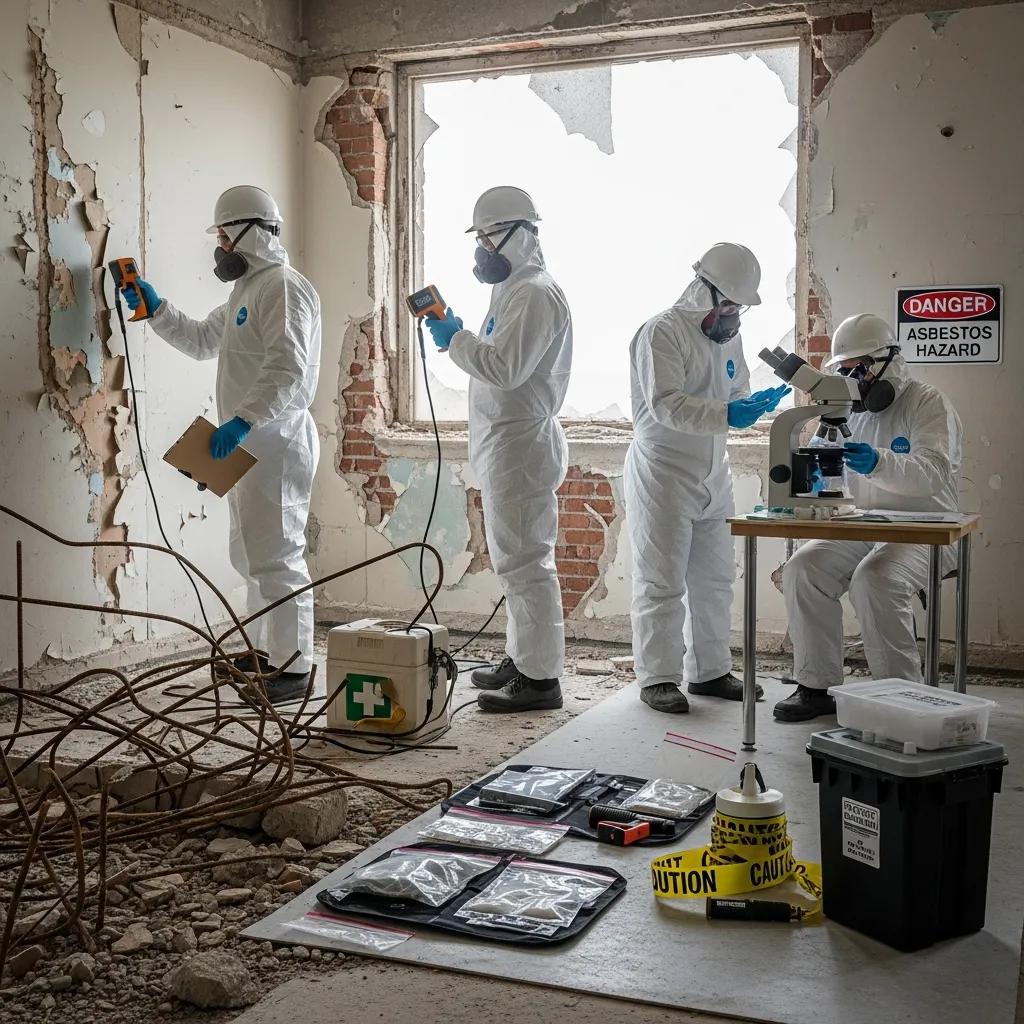
Handling hazardous materials is a critical component of the demolition process, requiring careful planning and execution.
What Are the Procedures for Asbestos, Lead Paint, and Mold Abatement?
Identifying and safely removing hazardous materials such as asbestos, lead paint, and mold is essential for protecting workers and the environment. Procedures typically involve:
- Hazardous Material Assessment: Conducting thorough inspections to identify the presence of hazardous substances before demolition.
- Abatement Procedures: Following established protocols for safely removing and disposing of hazardous materials, including using specialized equipment and trained personnel.
- Compliance with Regulations: Ensuring that all removal activities comply with local, state, and federal regulations regarding hazardous materials, such as EPA and OSHA standards.
These procedures are vital for maintaining safety and environmental compliance during demolition.
The safe and economic disposal of demolition waste heavily relies on the meticulous removal of hazardous substances prior to the structure’s demolition.
Demolition Safety: Removing Hazardous Materials
The removal of materials containing hazardous substances prior to the demolition of the structure is a prerequisite for the safe and economic disposal of the demolition waste. The issues of stability and safety during demolition work might affect the method of use of explosives.
Decision tools for demolition techniques selection, A Abdullah, 2003
Why Is Certified Professional Handling Critical for Environmental Compliance?
Engaging certified professionals for hazardous material handling is crucial for several reasons:
- Expertise: Certified professionals have the training and experience necessary to safely manage hazardous materials.
- Regulatory Compliance: They ensure that all activities comply with environmental regulations, reducing the risk of legal issues.
- Safety Assurance: Their involvement minimizes the risk of exposure to hazardous substances for workers and the surrounding community.
Hiring certified professionals is an essential step in ensuring a safe and compliant demolition process.
What Factors Influence Demolition Costs and How Are Estimates Provided?
Understanding the factors that influence demolition costs is essential for budgeting and planning.
Which Cost Elements Affect Residential and Commercial Building Demolition?
Several cost elements can impact the overall expense of demolition projects, including:
- Building Size and Type: Larger and more complex structures typically require more resources and time to demolish.
- Hazardous Material Management: The presence of hazardous materials can significantly increase costs due to the need for specialized handling and disposal.
- Site Accessibility: Difficult-to-access sites may require additional equipment and labor, raising overall costs.
These factors must be considered when estimating demolition expenses.
How Does F5 Demolition Offer Transparent and Tailored Free Quotes?
F5 Demolition provides transparent and tailored free quotes to ensure clients understand the costs associated with their projects. The quoting process includes:
- Detailed Assessments: Conducting thorough site evaluations to identify specific needs and challenges.
- Itemized Estimates: Providing clear breakdowns of costs associated with labor, equipment, and materials.
- Customized Solutions: Tailoring quotes to meet the unique requirements of each project, ensuring clients receive the best value.
This approach fosters trust and clarity in the demolition process.
How Are Safety and Environmental Responsibility Ensured During Full Structure Demolition?
Safety and environmental responsibility are paramount in the demolition industry, guiding practices and protocols.
What Safety Protocols and OSHA Guidelines Govern Demolition Sites?
Demolition sites must adhere to strict safety protocols and OSHA guidelines to protect workers and the public. Key protocols include:
- Personal Protective Equipment (PPE): Ensuring all workers wear appropriate PPE, such as helmets, gloves, eye protection, and respirators when necessary.
- Site Safety Plans: Developing comprehensive safety plans that outline potential hazards and mitigation strategies.
- Regular Inspections: Conducting frequent site inspections to identify and address safety concerns promptly.
These measures are essential for maintaining a safe working environment.
How Does Waste Management and Recycling Support Sustainable Demolition Practices?
Effective waste management and recycling practices are critical for promoting sustainability in demolition projects. Key strategies include:
- Material Recovery: Salvaging reusable materials, such as bricks, concrete, metals, and wood, to reduce waste and promote recycling.
- Responsible Disposal: Ensuring that non-recyclable materials are disposed of in compliance with environmental regulations.
- Sustainable Practices: Implementing practices that minimize environmental impact, such as reducing emissions and conserving resources.
These efforts contribute to a more sustainable approach to demolition.
| Cost Element | Description | Impact on Total Cost |
|---|---|---|
| Building Size | Larger buildings require more resources | High |
| Hazardous Materials | Special handling increases costs | Medium to High |
| Site Accessibility | Difficult access raises labor and equipment needs | Medium |
This table illustrates how various cost elements can significantly influence the overall expenses associated with demolition projects, highlighting the importance of thorough planning and assessment.
In conclusion, understanding the full structure demolition process is essential for anyone involved in construction or property development. By following the outlined steps, navigating planning and permit requirements, and prioritizing safety and environmental responsibility, stakeholders can ensure successful demolition projects that meet regulatory standards and promote sustainability.