Advanced Specialized Demolition Techniques & Services
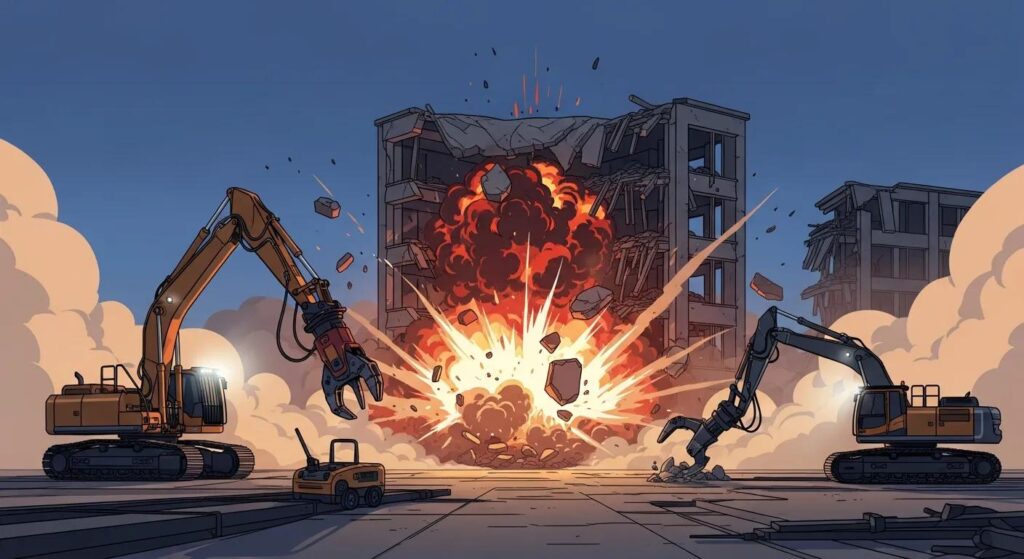
Expert Demolition Solutions Unleashed
Advanced specialized demolition techniques are essential for managing complex and unique demolition projects. These methods not only ensure safety and efficiency but also emphasize environmental responsibility. As urban landscapes evolve, the need for innovative demolition solutions has become increasingly critical.
This article will explore key advanced demolition techniques, the handling of hazardous materials, safety compliance measures, environmentally friendly practices, and the optimization of project management. By understanding these aspects, stakeholders can make informed decisions that align with safety standards and sustainability goals.
What Are the Key Advanced Specialized Demolition Techniques?
Advanced specialized demolition techniques encompass a range of methods designed to address the complexities of modern demolition projects. These techniques include selective demolition, which focuses on dismantling specific structures while preserving surrounding elements, and industrial demolition, which involves the complete removal of large facilities. The benefits of employing advanced techniques include enhanced safety, reduced environmental impact, and improved project timelines.
F5 Demolition specializes in advanced specialized demolition techniques and services, targeting complex and unique demolition projects. Their primary service offering includes comprehensive demolition solutions emphasizing expertise, safety, and environmental responsibility.
Selective and Industrial Demolition Methods Explained
Selective demolition methods allow for the careful dismantling of structures, enabling the preservation of valuable components and minimizing waste. This approach is particularly beneficial in urban settings where surrounding buildings and infrastructure must remain intact. In contrast, industrial demolition involves the complete removal of large structures, often requiring heavy machinery and specialized equipment.
Both methods have distinct use cases, with selective demolition being ideal for renovations and industrial demolition suited for site clearances. Understanding the differences between these methods helps project managers choose the most appropriate approach for their specific needs.
Handling Hazardous Materials in Complex Demolition Projects
Handling hazardous materials during demolition is a critical aspect of ensuring safety and compliance with regulations. Common hazardous materials include asbestos, lead, and various chemicals that may be present in older structures.
Proper protocols must be established to manage these materials safely, including thorough inspections, containment measures, and appropriate disposal methods.
Legal requirements dictate that demolition contractors must be trained and certified in hazardous material handling. This ensures that workers are equipped to manage risks effectively and that the surrounding environment is protected from contamination.
Further emphasizing the importance of advanced monitoring, research highlights the role of IoT in overseeing toxic waste levels during demolition.
IoT for Toxic Waste Oversight in Demolition
Enforcement of IoT for potent oversight of toxic levels in the construction and demolition waste at an industrial vicinage.
Digital technologies for promoting construction and demolition waste management: a systematic review, CO Iyiola, 2024
How Does F5 Demolition Ensure Safety Compliance in Demolition Services?
F5 Demolition prioritizes safety compliance through rigorous training programs and adherence to industry standards. The company holds various certifications that demonstrate its commitment to maintaining high safety standards. Regular safety audits and inspections are conducted to ensure that all practices align with regulatory requirements.
By fostering a culture of safety, F5 Demolition minimizes risks associated with demolition projects. This proactive approach not only protects workers but also safeguards the surrounding community and environment.
Safety Standards and Certifications for Specialized Demolition
Safety standards and certifications play a vital role in the demolition industry. These standards ensure that demolition practices are conducted safely and responsibly. Key certifications include OSHA compliance, which mandates safety training for workers, and ISO certifications that demonstrate adherence to international safety and quality standards.
Obtaining these certifications requires a commitment to ongoing training and education, ensuring that all personnel are up-to-date with the latest safety protocols and best practices. This dedication to safety not only protects workers but also enhances the overall reputation of the demolition contractor.
Protocols for Protecting Workers and Surrounding Environments
Implementing effective protocols for protecting workers and the surrounding environment is essential in demolition projects. These protocols include:
- Personal Protective Equipment (PPE): Ensuring that all workers are equipped with appropriate safety gear, such as helmets, gloves, and respiratory protection.
- Site Safety Plans: Developing comprehensive safety plans that outline potential hazards and mitigation strategies.
- Environmental Monitoring: Conducting regular assessments to monitor air quality and potential contamination during demolition activities.
By adhering to these protocols, demolition contractors can significantly reduce the risk of accidents and environmental damage.
What Are Environmentally Friendly Demolition Practices?
Environmentally friendly demolition practices focus on minimizing waste and reducing the environmental impact of demolition activities. These practices include:
- Deconstruction: Instead of traditional demolition, deconstruction involves carefully dismantling structures to salvage materials for reuse or recycling.
- Waste Diversion: Implementing strategies to divert waste from landfills, such as recycling concrete and metals.
- Sustainable Disposal: Ensuring that hazardous materials are disposed of in accordance with environmental regulations.
These practices not only contribute to sustainability efforts but also enhance the overall efficiency of demolition projects.
The integration of digital technologies further enhances these sustainable efforts, particularly in managing deconstruction waste effectively.
Digital Technologies for Sustainable Deconstruction Waste Management
To achieve sustainable urban development, effective deconstruction waste management is crucial. A particular domain that presents major challenges to meeting universal sustainability goals is the built environment. Traditional waste management fails to address the complexities of deconstruction waste including segregation, recycling, efficient disposal etc. By leveraging technologies like IoT, GIS, AI, Blockchain etc., smart waste management can be achieved which ensures transparency, accountability and efficiency. This integration of digital tools aligns with the goals of smart cities i.e. resources efficiency, reduce environmental impact and improve quality of life.
Management of Deconstruction Waste from Built Environment Using Digital Technologies: A Review, 2025
Debris Recycling and Sustainable Waste Management Techniques
Debris recycling is a crucial component of sustainable waste management in demolition. Effective techniques include:
- Material Sorting: Separating recyclable materials from non-recyclable waste during the demolition process.
- Recycling Partnerships: Collaborating with local recycling facilities to ensure that materials are processed appropriately.
- Innovative Reuse: Finding creative ways to repurpose materials, such as using reclaimed wood for new construction projects.
By implementing these techniques, demolition contractors can significantly reduce the environmental footprint of their projects.
This commitment to recycling aligns with broader strategies for sustainable construction and demolition waste management throughout a project’s lifecycle.
Sustainable C&D Waste Management & Lifecycle Strategies
Owing to increasing C&D waste volumes, shortage of landfills and long-term adverse environmental, economic and social impacts of the disposed C&D waste, sustainable C&D waste management is becoming increasingly essential to protect public health and natural ecosystems. This paper proposes a conceptual C&D waste management framework to maximise the 3R (reduce, reuse and recycle) and minimise the disposal of construction waste by implementing sustainable and comprehensive strategy throughout the lifecycle of construction projects.
An overview of construction and demolition waste management in Canada: a lifecycle analysis approach to sustainability, K Hewage, 2013
F5 Demolition’s Commitment to Environmental Sustainability
F5 Demolition is dedicated to environmental sustainability through its innovative practices and commitment to reducing waste. The company actively seeks to implement green demolition techniques that prioritize recycling and responsible waste management.
Their sustainability initiatives include partnerships with local recycling centers and a focus on deconstruction methods that allow for the salvage of valuable materials. This commitment not only benefits the environment but also enhances the overall efficiency of demolition projects.
How Is Demolition Project Management Optimized for Complex Projects?
Optimizing project management for complex demolition projects involves strategic planning and coordination. Key strategies include:
- Detailed Project Planning: Developing comprehensive plans that outline timelines, resource allocation, and risk management strategies.
- Stakeholder Coordination: Engaging with all stakeholders, including local authorities and community members, to ensure transparency and collaboration.
- Digital Tools: Utilizing digital tools and software for project oversight, enabling real-time monitoring and adjustments as needed.
These strategies help ensure that demolition projects are completed on time and within budget while maintaining safety and compliance.
Planning and Coordination Strategies for Industrial and Residential Demolition
Effective planning and coordination are essential for both industrial and residential demolition projects. Key strategies include:
- Timeline Management: Establishing clear timelines for each phase of the project to ensure timely completion.
- Resource Allocation: Ensuring that the necessary equipment and personnel are available when needed.
- Communication Protocols: Implementing clear communication channels among all team members to facilitate collaboration and address any issues promptly.
By focusing on these strategies, demolition contractors can enhance the efficiency and effectiveness of their projects.
Use of Digital Tools and Safety Diagrams in Project Oversight
Digital tools and safety diagrams play a significant role in modern demolition project management. These tools provide:
- Real-Time Monitoring: Enabling project managers to track progress and make adjustments as needed.
- Safety Diagrams: Visual representations of safety protocols and site layouts that enhance understanding and compliance among workers.
- Data Analysis: Utilizing data analytics to identify trends and improve future project planning.
The integration of these tools enhances overall project efficiency and safety.
What Are the Cost Estimation Factors for Specialized Demolition Services?
Cost estimation for specialized demolition services involves several key factors, including:
- Project Scope: The size and complexity of the demolition project significantly impact costs.
- Material Disposal: Costs associated with the disposal of hazardous and non-hazardous materials.
- Labor Costs: The expertise required for specialized demolition techniques can influence labor costs.
Understanding these factors is essential for accurate budgeting and financial planning.
| Cost Factor | Description | Estimated Value |
|---|---|---|
| Project Scope | Size and complexity of the project | Varies significantly |
| Material Disposal | Costs for hazardous and non-hazardous waste | $500 – $5,000 |
| Labor Costs | Expertise required for specialized techniques | $50 – $150 per hour |
This table illustrates the various cost factors that must be considered when planning a specialized demolition project.
Calculating Costs for Residential, Industrial, and Complex Demolition
Calculating costs for different types of demolition requires an understanding of various influencing factors. For residential projects, costs may be lower due to smaller scale, while industrial projects often incur higher costs due to complexity and safety requirements.
Factors influencing costs include:
- Type of Structure: Residential vs. industrial vs. complex structures.
- Location: Geographic location can affect labor and disposal costs.
- Regulatory Compliance: Costs associated with meeting safety and environmental regulations.
By considering these factors, stakeholders can develop accurate cost estimates for their demolition projects.
Interactive Tools and Consultation Services for Accurate Quotes
Interactive tools and consultation services are invaluable for obtaining accurate quotes for demolition projects. These services provide:
- Cost Estimation Tools: Online calculators that help estimate project costs based on specific parameters.
- Consultation Services: Expert consultations that provide tailored advice and insights into project planning.
- Quote Requests: Streamlined processes for requesting detailed quotes from demolition contractors.
These resources enhance transparency and help clients make informed decisions regarding their demolition needs.
Why Choose F5 Demolition as Your Trusted Demolition Contractor Near Me?
Choosing F5 Demolition as your trusted demolition contractor ensures access to expert services and a commitment to safety and sustainability. The company’s extensive experience in advanced specialized demolition techniques positions it as a leader in the industry.
F5 Demolition’s dedication to quality and safety is reflected in its numerous certifications and positive client feedback. By selecting F5 Demolition, clients can be confident in receiving comprehensive demolition solutions tailored to their specific needs.
Showcasing Recent Case Studies and Project Successes
F5 Demolition has successfully completed numerous projects that highlight its expertise in advanced demolition techniques. Recent case studies include:
- Urban Renovation Project: Successfully executed selective demolition while preserving adjacent structures.
- Industrial Facility Clearance: Completed a large-scale industrial demolition project on time and within budget.
- Hazardous Material Management: Effectively managed hazardous materials during a complex demolition, ensuring compliance with all regulations.
These case studies demonstrate F5 Demolition’s ability to handle diverse and challenging projects while maintaining high safety and environmental standards.
How to Request Consultations and Get Expert Demolition Quotes
Requesting consultations and obtaining expert demolition quotes is a straightforward process with F5 Demolition. Interested clients can follow these steps:
- Contact F5 Demolition: Reach out via phone or email to discuss project needs.
- Provide Project Details: Share information about the project scope, location, and any specific requirements.
- Receive a Quote: F5 Demolition will provide a detailed quote based on the information provided.
This streamlined process ensures that clients receive timely and accurate information to make informed decisions about their demolition projects.